(A Friendly Cellular Story)
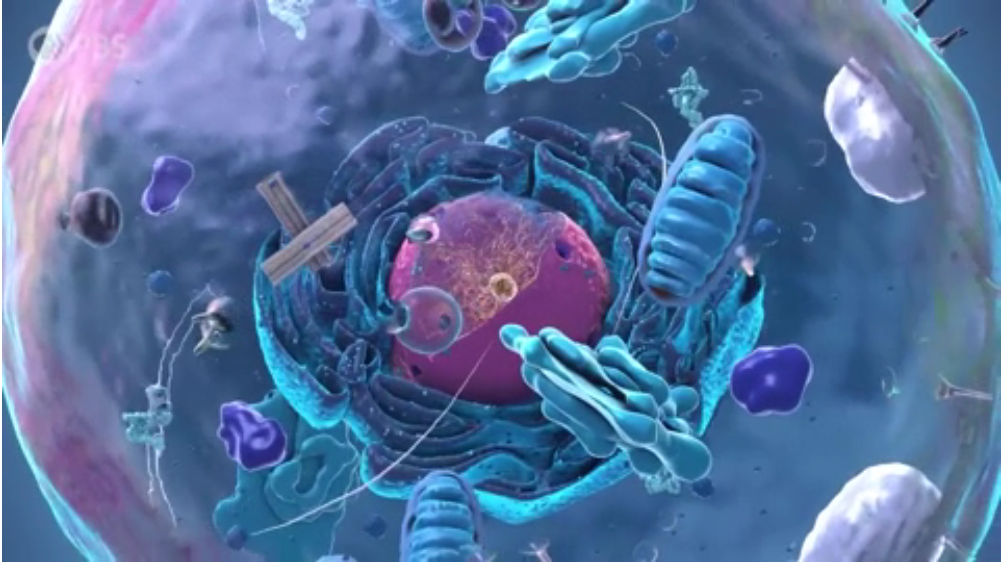
Imagine your body as a city.
Every cell is a tiny neighborhood, and inside each one are power plants working 24/7 to keep things running. The problem? Over time, those power plants start running low on fuel—not because they’re broken, but because the supply system slows down.
This is where NMN enters the story.
1. Meet NMN: The Delivery Truck, Not the Energy Drink
NMN (Nicotinamide Mononucleotide) doesn’t act like caffeine or sugar. It doesn’t “push” energy into your system.
Instead, NMN works more like a delivery truck.
Its job is to bring raw materials into the cell so the cell can make something it truly needs: NAD+.
And NAD+ is essential.
2. Why NAD+ Is So Important (and Why You Have Less of It Over Time)
NAD+ is involved in some of the most basic cellular tasks:
- Turning food into usable energy
- Supporting normal mitochondrial function
- Helping cells respond to daily stress
- Maintaining overall cellular balance
The catch?
As we age—or deal with stress, poor sleep, and inflammation—NAD+ levels naturally decline.
Your cells don’t stop working. They just become less efficient.
Think of it like running modern apps on an old battery.
3. What Happens After You Take NMN?
Let’s follow NMN on its journey.
Step 1: Absorption
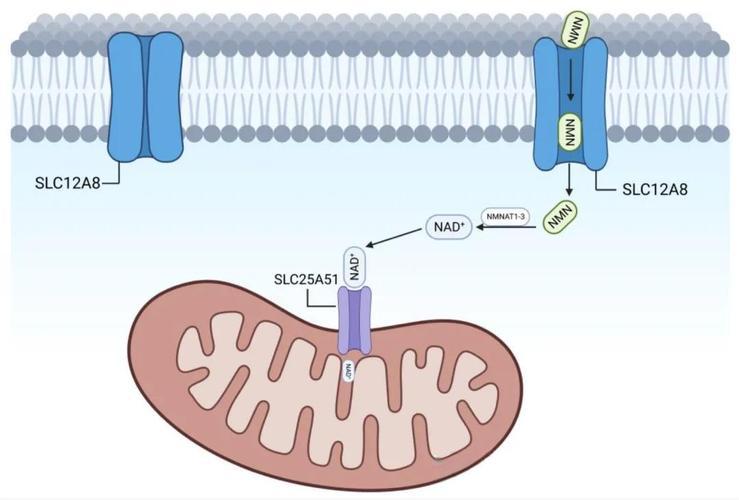
After oral intake, NMN is absorbed into the bloodstream through the digestive system.
Step 2: Entering the Cell
Once in circulation, NMN Supplementation can enter cells through specific transport mechanisms.
(This is important—NMN isn’t guessing its way in. The body has pathways designed to handle it.)
Step 3: Conversion to NAD+
Inside the cell, NMN is quickly converted into NAD+.
No detours. No complicated rerouting.
That’s why NMN is often called a direct NAD+ precursor.
4. What NAD+ Does Once It’s Made
Once NAD+ levels are supported, cells can:
- Run energy-producing reactions more efficiently
- Support normal metabolic processes
- Maintain systems involved in cellular upkeep
This doesn’t mean cells suddenly become “supercharged.”
It means they can do their everyday jobs with fewer limitations.
5. NMN Works Quietly (And That’s a Good Thing)
One reason NMN confuses people is because it’s subtle.
You don’t feel:
- A rush
- A spike
- A crash
That’s because NMN works at the cellular level, not the nervous system.
Its role is support, not stimulation.
Think long-term infrastructure, not fireworks.

6. Why NMN Is Different from Regular Vitamin B3
Vitamin B3 (niacin, nicotinamide) is also involved in NAD+ production—but NMN sits closer to the finish line.
That means:
- Fewer conversion steps
- Less reliance on rate-limiting enzymes
- More efficient NAD+ support pathways
It’s like taking a direct flight instead of multiple layovers.
7. Why Timing and Consistency Matter More Than “High Dose”
More NMN doesn’t automatically mean better results.
Cells:
- Have natural balance systems
- Regulate how much NAD+ they actually need
- Prioritize steady availability over spikes
That’s why many people focus on:
- Consistent daily intake
- Reasonable doses
- Long-term support
NMN is about supporting rhythm, not forcing change.
8. What NMN Supplementation Is Not
To keep expectations realistic:
- NMN is not an instant energy booster
- It does not stop aging
- It does not replace sleep, nutrition, or exercise
- It does not work overnight
NMN supports processes that already exist—it doesn’t rewrite biology.
9. Who Typically Considers NMN?
People interested in NMN are often:
- Curious about cellular health
- Focused on long-term wellness
- Interested in the science of healthy aging
- Looking for support rather than quick fixes
NMN fits best as part of a bigger lifestyle picture.
10. The Simple Takeaway
NMN works by supporting the body’s natural ability to produce NAD+, a molecule every cell relies on for energy and maintenance. It doesn’t act fast, loud, or forceful—it works quietly, consistently, and behind the scenes.
And sometimes, that’s exactly how the most important systems operate.