
A few years ago, almost no one outside of research labs had heard of NMN. Today, it’s one of the most talked-about compounds in conversations about energy, aging, and cellular health.
So what changed?
Why is NMN suddenly showing up in podcasts, health blogs, scientific discussions, and supplement shelves around the world?
The growing interest in NMN is not driven by a single trend. Instead, it sits at the intersection of modern lifestyle challenges, advances in aging research, and a shift in how people think about long-term health.
Let’s break down why NMN is getting so much attention—and why that attention continues to grow.
People Are Thinking About Health Differently
Health used to be reactive. You waited for a problem, then tried to fix it.
Today, more people are taking a proactive approach—thinking about how to support their bodies before major issues appear. This shift has changed the types of questions people ask:
- How can I maintain energy as I get older?
- How do I support my body under constant stress?
- How can I age in a healthier, more resilient way?
NMN fits naturally into this mindset because it focuses on cellular support, not symptom-based solutions.
Energy Has Become a Daily Concern
One of the most common complaints among adults today is simple:
“I feel tired all the time.”
Long work hours, digital overload, poor sleep quality, and chronic stress all place heavy demands on the body. While caffeine offers temporary relief, it doesn’t address the root of energy production.
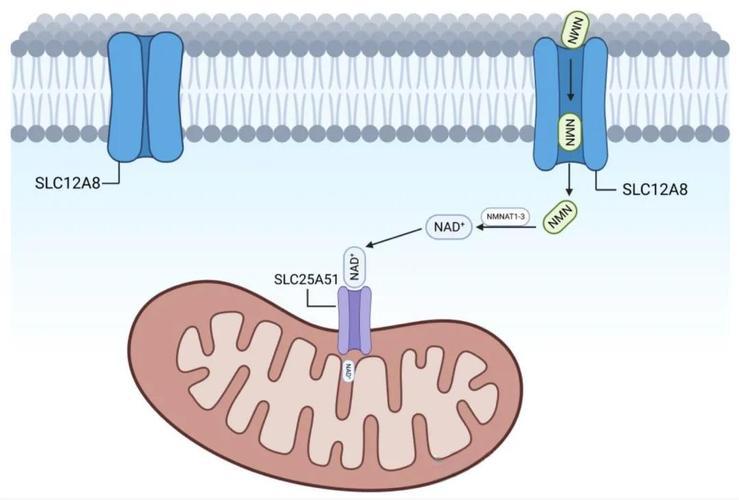
NMN stands out because it’s linked to cellular energy metabolism. By supporting the production of NAD+, a molecule required for energy generation inside cells, NMN speaks directly to a problem people feel every day.
This connection between energy at the cellular level and real-world fatigue has made NMN especially compelling.
Growing Interest in NAD+ Research
Much of NMN’s attention comes from increased public awareness of NAD+.
NAD+ is essential for:
- Converting food into energy
- Supporting mitochondrial function
- Maintaining cellular repair systems
Research has shown that NAD+ levels decline with age and under stress. As scientists began exploring ways to support NAD+ levels, NMN emerged as one of the most efficient precursors.
As NAD+ research gained visibility, NMN naturally followed.
Aging Is Being Studied at the Cellular Level
A major shift in science is the way aging is being studied.
Instead of viewing aging as a single process, researchers now examine:
- Cellular function
- DNA repair mechanisms
- Mitochondrial health
- Metabolic efficiency
NMN appears in these discussions because it supports NAD+, which is involved in many of these cellular systems.
This has helped move NMN from a niche topic into mainstream wellness conversations focused on healthy aging, not just lifespan, but quality of life.
NMN Aligns With a “Foundational Health” Approach
Many supplements promise dramatic effects: instant energy, rapid weight loss, or quick transformations.
NMN is different.
It doesn’t promise instant stimulation. Instead, it focuses on foundational support—helping the body maintain processes it already relies on.
This subtle, systems-based approach resonates with people who:
- Prefer long-term strategies
- Are cautious about overstimulation
- Want sustainable health habits
NMN’s role is quiet, but that’s exactly what makes it appealing.
It’s Not Just for One Type of Person
Another reason NMN has gained attention is its broad relevance.
People interested in NMN include:
- Busy professionals managing mental fatigue
- Active individuals focused on endurance and recovery
- Adults thinking about long-term vitality
- Wellness-minded beginners curious about cellular health
NMN isn’t marketed to a single niche—it connects with anyone thinking about how their body functions over time.
Increased Transparency and Education
The wellness industry has changed.
Consumers now:
- Read labels more carefully
- Ask how supplements work
- Look for scientific explanations
NMN benefits from this shift because its mechanism is relatively straightforward: support NAD+ production.
As more educational content became available, NMN moved from being misunderstood to being better explained, which increased trust and curiosity.
The Rise of Longevity Conversations in Popular Media
Topics once limited to academic journals—longevity, cellular aging, metabolic health—are now mainstream.
Podcasts, documentaries, and articles have helped normalize discussions about:
- How aging works
- Why cells slow down
- How lifestyle affects long-term health
NMN fits naturally into these conversations as a compound that supports systems linked to aging and energy at the cellular level.
People Want Subtle, Sustainable Support
There is growing fatigue around extremes.
Many people are moving away from:
- Overstimulation
- Aggressive biohacks
- Short-term fixes
NMN appeals because it doesn’t push the body—it supports it.
Users often describe NMN not as something they feel immediately, but as something that helps them feel more stable over time.
This subtlety is part of its growing appeal.
It Complements, Rather Than Replaces, Healthy Habits
NMN is not positioned as a replacement for sleep, exercise, or good nutrition.
Instead, it complements these habits by supporting the cellular systems that make them more effective.
This realistic positioning aligns with how many people now think about health: layers of support, not magic solutions.
Curiosity Driven by Early Research (Not Hype)
NMN’s rise is also driven by genuine scientific curiosity.
Animal studies and early human research have explored how NMN affects:
- NAD+ levels
- Metabolic markers
- Cellular function
While research is ongoing, the scientific interest itself has drawn attention from educated consumers who want to understand why something works, not just that it exists.
A Shift Toward Long-Term Thinking
Perhaps the biggest reason NMN is getting attention is cultural.
People are thinking in decades, not months.
Instead of asking:
- “How do I feel tomorrow?”
They’re asking:
- “How do I support my body for the next 10, 20, or 30 years?”
NMN fits into this long-term mindset perfectly.

Final Thoughts
NMN is getting attention because it reflects a broader shift in how people think about health, energy, and aging.
It doesn’t rely on hype or extreme promises.
It focuses on cellular foundations rather than surface-level effects.
And it aligns with a growing desire for sustainable, science-informed wellness.
Whether or not someone chooses to use NMN, the attention it receives signals something important:
People want to understand their bodies at a deeper level—and support them for the long run.
That’s why NMN continues to stand out.