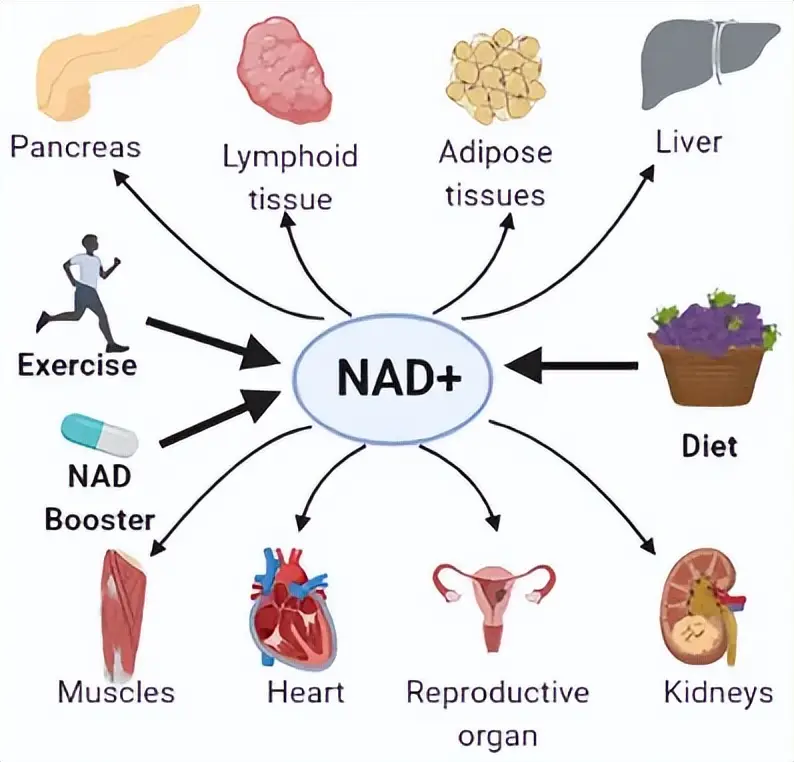
If you’ve been reading about NMN (nicotinamide mononucleotide) lately, you’ve probably wondered:
“Can I just eat the right foods and get enough NMN naturally?”
It’s a reasonable question. After all, NMN isn’t a synthetic drug—it’s a naturally occurring compound in certain foods, and your body even produces it on its own. But as with many nutrients, the real story is a little more complicated.
This guide breaks down the science, explores food sources of NMN, and explains why diet alone may not be enough for those interested in boosting cellular NAD⁺ levels.
1. Why NMN Matters
Before we dive into food, it’s important to understand what NMN does. NMN is a precursor to NAD⁺, a molecule crucial for:
- Converting food into cellular energy
- Supporting mitochondrial function
- Assisting DNA repair
- Helping maintain metabolic health
As we age, NAD⁺ levels decline naturally, which can affect energy, metabolism, and general cellular function. NMN helps the body replenish NAD⁺, making it a topic of interest for people curious about energy, longevity, and cellular health.
2. Natural Food Sources of NMN
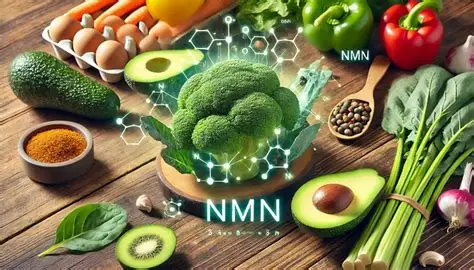
The good news is that NMN does exist in foods. Studies have measured NMN in small amounts in several vegetables, fruits, and legumes. Some of the better-known sources include:
| Food | Approximate NMN per 100g* |
|---|---|
| Edamame | 0.25–1.0 mg |
| Broccoli | 0.25–1.0 mg |
| Cabbage | 0.15–0.8 mg |
| Cucumber | 0.1–0.5 mg |
| Avocado | 0.1–0.5 mg |
| Tomato | 0.05–0.2 mg |
| Mushrooms | 0.1–0.4 mg |
*Values vary depending on measurement methods, ripeness, and preparation.
These foods contain tiny but measurable amounts of NMN. For perspective, a large serving of edamame or broccoli might provide roughly 0.5–1 mg of NMN.
3. How Much NMN Do Our Cells Actually Use?
Here’s the key detail: your cells use NMN to make NAD⁺ continuously throughout the day. Daily requirements are far higher than what most foods provide.
- A healthy adult might metabolize tens of milligrams of NMN per day naturally to maintain NAD⁺ levels.
- Even eating several servings of NMN-containing foods would likely provide less than 1–2 mg per day.
So while these foods contribute to NMN intake, they don’t come close to meeting the levels sometimes used in research studies or suggested for supplementation.
4. Can You Rely on Diet Alone?
The short answer: probably not if your goal is noticeable NAD⁺ support.
Food can help maintain baseline NMN and NAD⁺ levels, but for those aiming for enhanced cellular support—especially with aging—diet alone is usually insufficient.
Think of it this way: eating broccoli and edamame is healthy and supportive of overall nutrition, but it won’t dramatically boost NAD⁺ the way NMN supplementation can.
5. Benefits of NMN-Rich Foods Beyond NMN
That doesn’t mean you should ignore NMN-containing foods. They have plenty of benefits:
- Vegetables like broccoli and cabbage are rich in fiber, vitamins, and antioxidants.
- Edamame and legumes provide protein and phytonutrients.
- Avocado and tomatoes add healthy fats and additional micronutrients.
In other words, NMN foods are already part of a healthy diet—even if NMN levels themselves are low.
6. Why Supplementation May Be Considered
For people curious about NMN’s effects on NAD⁺, energy, or cellular health, supplements are often explored because:
- They provide higher, controlled doses of NMN than diet alone.
- NMN in supplement form is more easily absorbed and consistent.
- Supplements can help maintain NAD⁺ levels in ways that may be difficult to achieve with food alone, especially as we age.
It’s not a magic solution—but it can be a practical option for those seeking targeted support.
7. How to Combine Diet and Supplements
For most people interested in NMN:
- Keep eating NMN-containing foods.
- Think of these as part of a nutrient-rich foundation.
- They support your overall health while providing small amounts of NMN naturally.
- Consider supplementation if your goal is enhanced NAD⁺ support.
- Consult a healthcare professional if you have health conditions or take medications.
- Start with a modest dose and monitor how you feel.
- Pair with healthy lifestyle habits.
- Adequate sleep
- Balanced nutrition
- Regular exercise
- Stress management
NMN works best as part of a holistic approach rather than in isolation.
8. Fun Fact: NMN in Everyday Foods
You might be surprised how much NMN you’ve been eating without even noticing:
- One cup of edamame = a tiny boost of NMN
- Half an avocado = small but valuable NMN contribution
- Steaming broccoli preserves some NMN, while overcooking may reduce it
Even if it’s not enough to fully impact NAD⁺, it’s a reminder that your diet is already contributing to cellular health in small ways.
9. Bottom Line
Can you get enough NMN from diet alone?
- For basic nutrition and maintenance: Yes, your body gets tiny amounts from foods, and your cells make NMN naturally.
- For noticeable NAD⁺ enhancement or anti-aging cellular support: Probably not. Food alone provides far less than what research studies or supplement doses typically include.
The takeaway is simple: eat NMN-rich foods for general health, but consider supplementation if you want higher, consistent NMN intake—always as part of a healthy lifestyle.
Final Thoughts
NMN is naturally present in several common foods, and eating a diet rich in vegetables, legumes, and healthy fats is a great foundation for cellular health. But diet alone is unlikely to supply NMN at levels needed for significant NAD⁺ support as suggested by early research.
For most people, the ideal approach is combination:
- Enjoy NMN-containing foods daily
- Support overall health through nutrition and lifestyle
- Consider supplementation if your goal is enhanced NAD⁺ support
With this approach, NMN becomes part of a balanced strategy for energy, metabolism, and long-term cellular wellness—without relying on magic pills or unrealistic expectations.