
NMN has become one of the most talked-about supplements in conversations about energy, aging, and cellular health. Some people describe it as a breakthrough. Others dismiss it as hype.
So what’s the truth?
Does NMN really work—or is it just another wellness trend?
The honest answer is more nuanced than a simple yes or no. To understand NMN’s real potential, we need to look at what “working” actually means in a biological context—and what current science can (and cannot) support.
1. What Does “Working” Mean for a Supplement Like NMN?
When people ask whether NMN works, they’re often thinking in terms of:
- Feeling more energetic
- Slowing visible aging
- Improving performance or recovery
But biologically, NMN isn’t designed to deliver immediate sensations. Its role is more foundational.
NMN works at the cellular level, supporting processes that help cells function normally. Its primary role is to support the production of NAD+, a molecule essential for cellular energy and maintenance.
So the better question is:
Does NMN support the biological systems it’s involved in?
2. The Role of NAD+—Why NMN Exists in the First Place
NAD+ (Nicotinamide Adenine Dinucleotide) is found in every living cell. It plays a key role in:
- Converting nutrients into cellular energy (ATP)
- Supporting mitochondrial function
- Regulating enzymes involved in DNA repair
- Maintaining metabolic balance
The challenge is that NAD+ levels naturally decline over time due to aging, stress, inflammation, and lifestyle factors.
NMN exists because it is a direct precursor to NAD+. In other words, NMN supplies the raw material the body uses to make NAD+.
This biological relationship is not theoretical—it’s well established.
3. What Science Clearly Supports
1️⃣ NMN Increases NAD+ Levels
Multiple studies, including human trials, have shown that NMN supplementation can increase NAD+ levels in the body.
This is one of the strongest and most consistent findings in NMN research. While the degree of increase may vary by individual, the mechanism itself is well understood.
From a scientific standpoint, this answers an important baseline question:
Yes—NMN does what it is biochemically supposed to do.
2️⃣ NMN Is Bioavailable
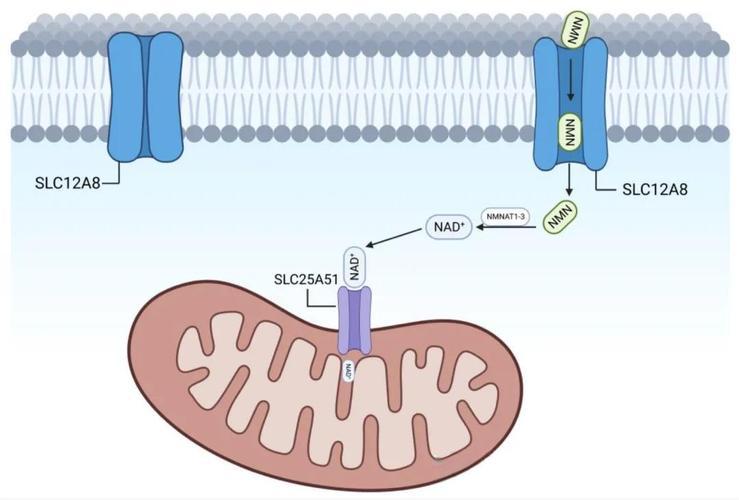
Another key question researchers asked early on was whether NMN could actually be absorbed and used by the body.
Research indicates that:
- NMN can be absorbed after oral intake
- It can enter cells through specific transport pathways
- Once inside the cell, it is efficiently converted into NAD+
This confirms that NMN is not just theoretically useful—it is biologically accessible.
4. Where Research Is Still Developing
While NMN’s role in NAD+ production is clear, science becomes more cautious when discussing downstream outcomes.
NMN and Energy, Metabolism, and Aging
Animal studies suggest that restoring NAD+ levels may support:
- Mitochondrial efficiency
- Metabolic regulation
- Cellular resilience
Early human studies have explored NMN’s effects on:
- Insulin sensitivity
- Muscle metabolism
- NAD+ restoration
However, it’s important to note:
- Human trials are still relatively small
- Long-term outcomes are still under investigation
- Results can vary based on age, health status, and lifestyle
This doesn’t mean NMN doesn’t work—it means expectations should match the current level of evidence.
5. Why People Have Different Experiences With NMN
One of the most confusing aspects of NMN is that some people report noticeable benefits, while others feel little to nothing.
There are several reasons for this.
1️⃣ Baseline NAD+ Levels Differ
People with lower NAD+ levels to begin with may notice more change than those whose levels are already relatively stable.
2️⃣ Lifestyle Factors Matter
Sleep, diet, exercise, stress, and alcohol consumption all influence NAD+ metabolism. NMN cannot override these factors.
3️⃣ NMN Is Not a Stimulant
Because NMN works gradually at the cellular level, its effects may be subtle and cumulative rather than immediate.
6. NMN Is Not a Shortcut—and That’s Important
A common misconception is that NMN is meant to “fix” aging or replace healthy habits.
It doesn’t.
NMN does not:
- Stop aging
- Instantly boost energy
- Replace sleep or nutrition
- Work overnight
What NMN can do is support biological systems that naturally decline with age.
Think of it as supporting the foundation of a building—not repainting the walls.
7. How Scientists View NMN Today
Within the scientific community, NMN is generally viewed as:
- A promising NAD+ precursor
- Biologically plausible
- Worth continued research
At the same time, responsible researchers emphasize:
- The need for larger, longer human trials
- Careful interpretation of results
- Avoiding exaggerated claims
This balanced view is important. NMN is neither a miracle nor meaningless—it occupies a middle ground supported by real biology.
8. Does NMN “Work” for Healthy Adults?
For healthy adults, NMN is typically considered:
- Well tolerated
- Compatible with normal metabolic pathways
- A form of nutritional support rather than treatment
Its primary function is supporting NAD+ availability, which plays a role in energy metabolism and cellular maintenance.
Whether that support translates into noticeable benefits may depend on:
- Age
- Lifestyle
- Consistency of use
- Individual biology
9. Why NMN Continues to Attract Attention
NMN isn’t popular because of marketing alone.
It’s gaining attention because:
- NAD+ biology is central to aging research
- Modern lifestyles increase metabolic stress
- People are increasingly interested in long-term wellness, not quick fixes
NMN fits into a broader shift toward cellular-level health strategies.
10. The Bottom Line: Does NMN Really Work?
The most accurate answer is this:
NMN works in the sense that it supports the body’s ability to produce NAD+, a molecule essential for cellular energy and maintenance.
What it does not do is guarantee dramatic or immediate results.
NMN is best understood as:
- A supportive tool, not a cure
- A long-term strategy, not a quick boost
- A complement to healthy habits, not a replacement
For those interested in the science of cellular health, NMN represents a meaningful and actively researched area—not hype, but not magic either.
Final Takeaway
If you’re asking whether NMN “really works,” the science suggests:
- Yes, it works as an NAD+ precursor
- Yes, it is biologically active
- Yes, it supports essential cellular processes
But the real value of NMN lies in consistent, realistic, long-term support—not instant transformation.
Understanding that distinction makes all the difference.