
As NMN becomes more widely discussed in wellness and longevity conversations, one question comes up more than any other:
Is NMN safe?
It’s a reasonable question. Whenever a supplement gains attention, curiosity is naturally followed by caution. People want to understand not only what NMN does, but whether it makes sense to use it long term.
This article takes a clear, straightforward look at NMN safety—what we know, what research suggests, and how to think about NMN responsibly.
What NMN Is—and What It Isn’t
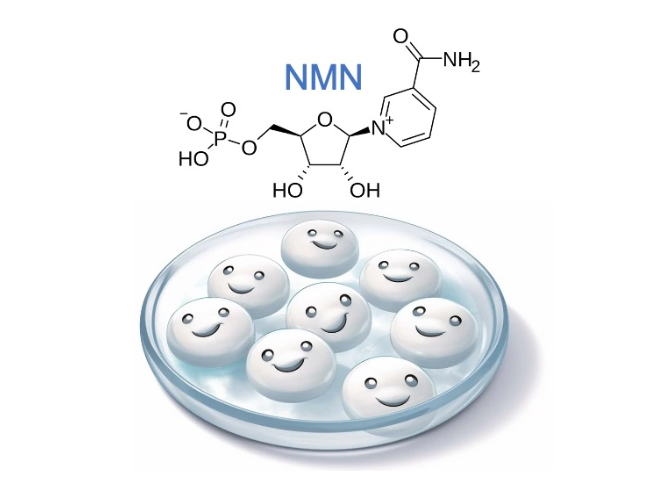
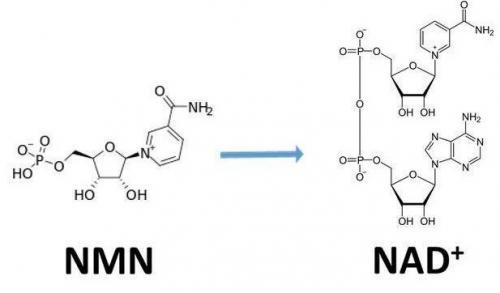
NMN (nicotinamide mononucleotide) is a molecule that exists naturally in the human body. Its primary role is to act as a precursor to NAD+, a molecule essential for cellular energy production and maintenance.
It’s important to clarify what NMN is not:
- It is not a hormone
- It is not a stimulant
- It does not override natural biological systems
NMN works within pathways the body already uses every day. This foundational role is one reason it is often considered differently from more aggressive or fast-acting supplements.
Why Safety Questions Matter
Interest in NMN has grown quickly, and with that growth comes a flood of information—some helpful, some confusing.
Safety questions usually focus on:
- Long-term use
- Daily intake
- Potential side effects
- Whether NMN “pushes” the body too hard
Addressing these concerns requires looking at NMN through a biological lens, not a marketing one.
NMN Is Naturally Present in the Body
One of the most important points in NMN safety discussions is that NMN is not foreign to the body.
Your cells already produce NMN as part of normal metabolism. NMN also appears in small amounts in foods such as broccoli, cabbage, cucumber, and edamame.
This does not automatically guarantee safety at all doses—but it does mean NMN participates in established biological pathways, rather than introducing an entirely new compound.
What Research Tells Us So Far
Preclinical Research
NMN has been studied extensively in laboratory and animal models, where it has been used to explore NAD+ metabolism, cellular energy, and aging-related processes.
These studies generally show that NMN:
- Raises NAD+ levels
- Is well tolerated in studied models
- Supports normal cellular function
Human Research
Human studies on NMN are still developing, but early trials have focused on:
- Absorption
- Effects on NAD+ levels
- Short-term tolerability
So far, these studies suggest that NMN is well tolerated in controlled settings when used in reasonable amounts.
It’s important to note that research is ongoing, and NMN is still an active area of scientific study.
Does NMN Cause Side Effects?
One of the most reassuring aspects of NMN is that many users report few or no noticeable side effects.
When side effects are mentioned, they tend to be mild and temporary, such as:
- Digestive discomfort
- Headaches
- Changes in sleep patterns
These experiences are not universal and often depend on individual sensitivity, timing, or dosage.
Because NMN supports energy metabolism, some people find it works best when taken earlier in the day rather than late at night.
NMN Is Not a Stimulant
A common concern is whether NMN overstimulates the body.
NMN does not act on the nervous system the way caffeine or other stimulants do. It does not trigger adrenaline release or artificially elevate alertness.
Instead, NMN supports the cellular systems responsible for producing energy naturally. This is why many people describe NMN’s effects as:
- Subtle
- Gradual
- Steady rather than intense
From a safety perspective, this lack of overstimulation is often seen as a positive feature.
Daily Use and Long-Term Considerations
Many people interested in NMN think in terms of long-term wellness rather than short-term effects.
NMN is often approached as:
- A daily supplement
- Part of a broader lifestyle strategy
- A long-term support rather than a quick fix
Because NMN works at the cellular level, consistency tends to matter more than intensity. Most safety-focused discussions emphasize moderation rather than high or aggressive intake.
Is More NMN Better?
Not necessarily.
With most supplements, including NMN, more is not always better. The body’s systems are designed to maintain balance, not extremes.
Responsible use generally means:
- Starting at a lower amount
- Observing how the body responds
- Avoiding the assumption that higher doses equal better results
NMN’s role is supportive, not forceful.
Who Should Be More Cautious?
While NMN is widely discussed as being well tolerated, certain individuals should take extra care before using any supplement, including NMN.
This includes:
- Pregnant or breastfeeding individuals
- People with underlying medical conditions
- Those taking prescription medications
In these cases, discussing NMN with a qualified healthcare professional is the most responsible approach.
NMN and Healthy Lifestyle Context
One reason NMN safety discussions are generally calm rather than alarmist is that NMN is usually framed as complementary, not corrective.
NMN is not intended to replace:
- Sleep
- Nutrition
- Exercise
- Stress management
Instead, it supports the cellular systems that allow these habits to be more effective.
When viewed this way, NMN becomes part of a larger picture rather than a standalone solution.
Why NMN Safety Is Still Being Studied
NMN is relatively new to the consumer market, even though it has been studied scientifically for years.
As with many compounds:
- Long-term population data takes time
- Larger human studies continue to emerge
- Understanding improves gradually
This does not mean NMN is unsafe—it means science is doing what it should: progressing carefully.

How to Think About NMN Safety as a Consumer
Instead of asking, “Is NMN completely risk-free?” a better question may be:
“Does NMN align with how my body already works, and am I using it responsibly?”
Key principles include:
- Choosing reputable sources
- Avoiding exaggerated claims
- Using NMN as part of a balanced routine
- Paying attention to individual response
These habits matter as much as the supplement itself.
Final Thoughts
NMN has gained attention because it supports a fundamental biological process rather than forcing dramatic changes.
Based on current knowledge:
- NMN is naturally present in the body
- It participates in established cellular pathways
- Research suggests it is generally well tolerated
- It does not act as a stimulant or hormone
While research continues, NMN’s safety profile so far supports its role as a measured, supportive option for people interested in cellular health and long-term wellness.
As with any supplement, informed use, moderation, and realistic expectations are essential.