
If you’ve spent any time reading about health, energy, or longevity lately, you’ve probably seen the term NMN pop up again and again. It shows up in podcasts, wellness blogs, and supplement discussions—and naturally, it raises questions.
What exactly is NMN?
Why are people talking about it?
And does it actually do anything?
If you’re new to NMN, this guide is for you. No complicated chemistry, no exaggerated promises—just a simple, clear explanation of what NMN is, how it works, and why beginners find it interesting.
1. What Is NMN?
NMN stands for nicotinamide mononucleotide.
While the name sounds complex, NMN itself is something your body already knows. It’s a naturally occurring compound found in small amounts in certain foods and, more importantly, produced inside your body.
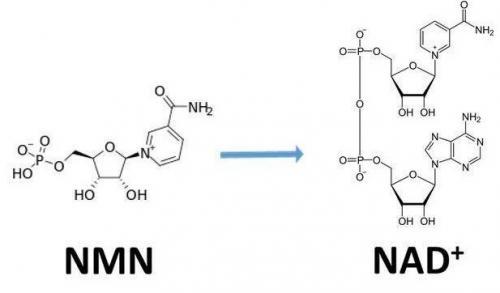
NMN’s main role is to help your body produce another molecule called NAD+ (nicotinamide adenine dinucleotide).
Think of NMN as a building block, and NAD+ as the finished product your cells rely on.
2. Why Is NAD+ So Important?
NAD+ is essential for life. Every cell in your body uses it.
NAD+ is involved in:
- Converting food into cellular energy
- Supporting mitochondrial function
- Helping cells carry out normal repair and maintenance
- Supporting metabolic processes
In simple terms, NAD+ helps cells do their jobs properly.
The challenge is that NAD+ levels naturally decline with age. Stress, lack of sleep, poor diet, and high physical or mental demands can also reduce NAD+ availability.
When NAD+ levels drop, cells don’t stop working—but they often work less efficiently.
3. Where Does NMN Fit In?
Your body can make NAD+ on its own, but it needs raw materials to do so. NMN is one of the most direct precursors your body uses to produce NAD+.
That’s why NMN is often described as a NAD+ precursor.
By supplying NMN, you’re giving your body more of what it needs to maintain normal NAD+ production—especially as natural levels decline over time.
This is why NMN is commonly discussed in conversations about:
- Energy support
- Metabolic health
- Cellular maintenance
- Healthy aging
4. Is NMN Natural?
Yes.
NMN is:
- Produced naturally inside the human body
- Found in small amounts in foods such as broccoli, cabbage, cucumber, avocado, and edamame
However, the amount of NMN in food is extremely small—far below what the body uses daily at the cellular level.
This is why dietary NMN alone is generally considered insufficient to significantly affect NAD+ levels, which leads some people to explore NMN supplementation.
5. How Does NMN Work in the Body?
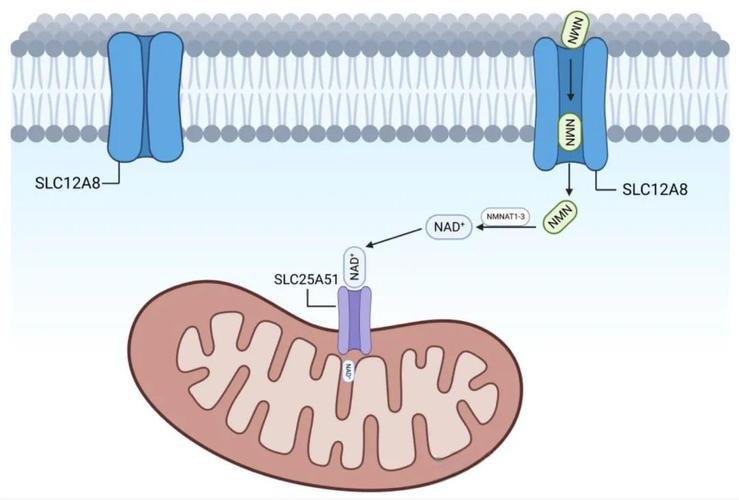
Once NMN is consumed, it enters the bloodstream and is taken up by cells. Inside cells, NMN is converted into NAD+ through normal biochemical pathways.
Rather than forcing the body to do something unnatural, NMN works by supporting a pathway that already exists.
This is a key reason NMN is often described as:
- Foundational rather than stimulating
- Supportive rather than aggressive
It does not act like caffeine or other stimulants. Instead, it supports the systems that help cells maintain energy and function.
6. What Does NMN Feel Like?
One of the most common beginner questions is:
“Will I feel something right away?”
The honest answer: maybe, maybe not.
NMN does not cause an immediate “boost.” It doesn’t stimulate the nervous system or create energy spikes.
People who notice changes often describe them as:
- More consistent energy throughout the day
- Less afternoon fatigue
- Improved mental clarity
- A general feeling of better balance
These effects, when noticed, are usually subtle and develop over time.
For beginners, it’s important to understand that NMN works at the cellular level, not as a quick-acting performance enhancer.
7. Who Is NMN For?
NMN attracts interest from a wide range of people, including:
- Busy professionals dealing with mental fatigue
- Active individuals focused on endurance and recovery
- Adults interested in long-term wellness
- People curious about healthy aging support
It’s not limited to athletes or biohackers. Many beginners simply want to support their energy and overall cellular health as life becomes more demanding.
8. NMN vs NAD+: What’s the Difference?
You may see both NMN and NAD+ sold as supplements, which can be confusing.
Here’s the simple difference:
- NAD+ is the molecule cells actually use
- NMN helps the body make NAD+
NAD+ itself is not easily absorbed when taken directly, which is why many people focus on precursors like NMN instead.
9. How Long Does It Take to Notice Effects?
There is no universal timeline.
Some people notice subtle changes within a few weeks, while others feel little difference at first. Factors that influence this include:
- Age
- Lifestyle
- Sleep quality
- Stress levels
- Diet and activity
NMN is generally viewed as a long-term support supplement, not a short-term fix.

10. Is NMN a Replacement for Healthy Habits?
No—and this is important.
NMN works best when paired with:
- Balanced nutrition
- Adequate sleep
- Regular movement
- Stress management
It supports the body’s internal systems but does not replace the fundamentals of good health.
Think of NMN as something that supports your foundation, not something that builds it for you.
11. Why Are Beginners So Curious About NMN?
NMN stands out because it:
- Works with natural biological pathways
- Focuses on cellular health rather than surface-level effects
- Supports long-term function instead of quick stimulation
For beginners, this makes NMN feel more practical and realistic than many trendy supplements.
Final Thoughts
NMN is not a miracle molecule, and it’s not about chasing youth or extreme performance.
At its core, NMN is about supporting how your cells produce energy and maintain themselves over time.
For beginners, the appeal lies in its simplicity:
- It supports a natural process
- It works quietly in the background
- It aligns with long-term wellness goals
If you’re curious about NMN, understanding these basics is the best place to start.